
Item No. LEW285
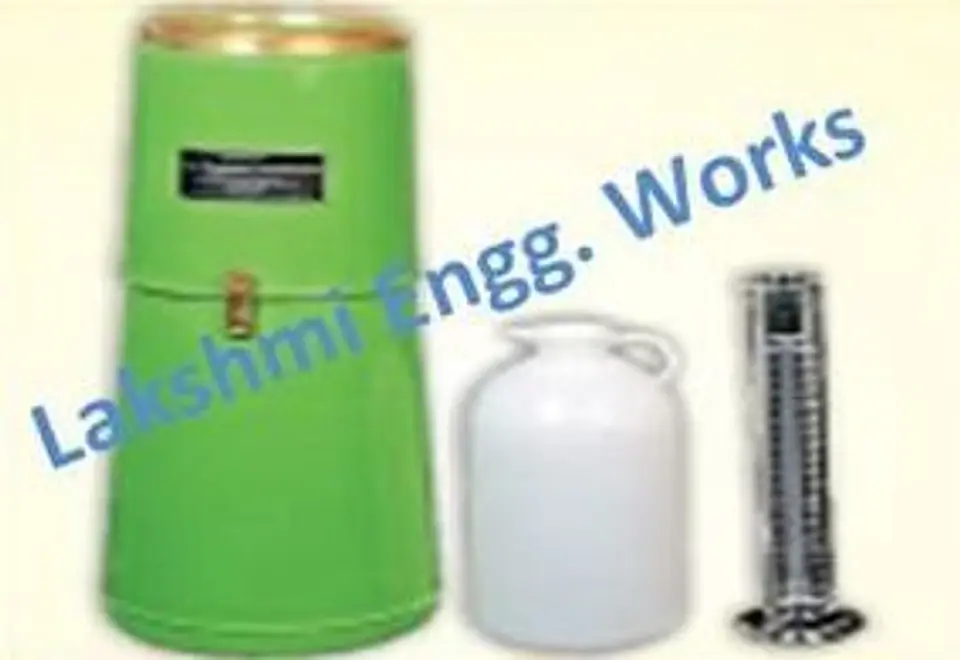
Photo 1 of 1
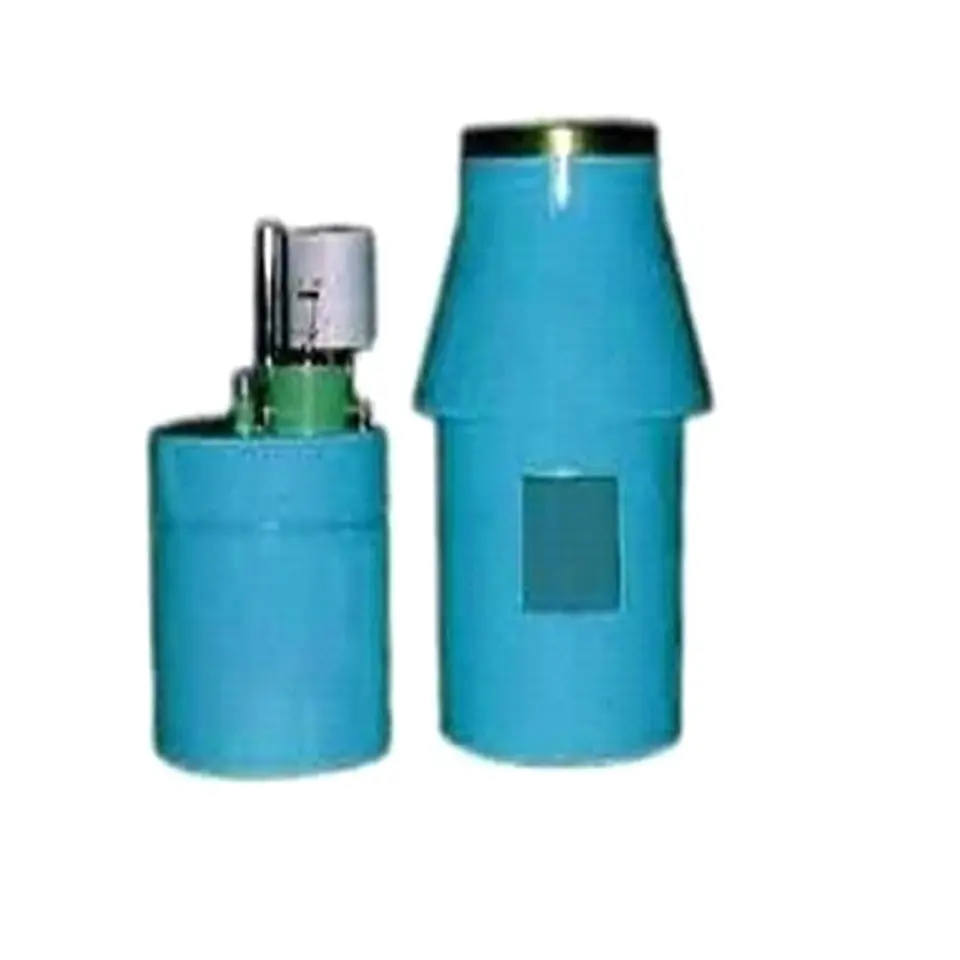
Non-recording rain gauge to IS 5225:1969 with a 200 sq cm collector, brass rim, collecting bottle and 0.2 mm measuring cylinder.
Overview
The ordinary rain gauge, also called the non-recording rain gauge, is the standard instrument for measuring daily rainfall at meteorological and hydrological stations. Rain caught by the collector runs through the funnel into a collecting bottle, and at the observation time the observer pours it into the measuring cylinder and reads the rainfall in millimetres.
Our gauge is built to IS 5225:1969 from non-corrosive fibreglass reinforced plastic. The 200 sq cm collector has a brass rim and funnel, held by locking rings on the base, and the measuring cylinder is graduated every 0.2 mm of rainfall. A copper version is also made.
Because it needs no power and is simple to check, the ordinary gauge is kept as the reference at stations that also run automatic gauges.
Key features
How it works
Rain falling on the 200 sq cm collector runs through the funnel into the bottle inside the body.
The observer pours the collected water into the measuring cylinder.
The cylinder is graduated in millimetres of rainfall for this collector, so the reading is the rainfall since the last observation.
Key specifications
| Parameter | Value |
|---|---|
| Standard | IS 5225:1969 |
| Collector | 200 sq cm, brass rim and funnel |
| Measuring cylinder | Graduated every 0.2 mm |
| Body | Fibreglass reinforced plastic; copper on request |
| Collecting bottle | 2 or 4 litre |
| Type | Non-recording, read by an observer |
★ also shown at the top of the page.
FAQ
Related products
Item No. LEW285
Item No. LEW284
Item No. LEW295